
Did you know that 57% of Australian homeowners prefer open-concept kitchen-living designs, according to a recent industry survey? This surging trend towards open-plan living has transformed the way we design and experience our homes, blending kitchen and living spaces into light-filled, multifunctional hubs. By breaking down traditional walls, you can create a seamless, inviting atmosphere that fosters togetherness and relaxation.
Key Takeaways
- Open-concept kitchen-living designs are increasingly popular in Australia, offering numerous advantages.
- Successful open-plan living requires careful zoning and planning to maximize benefits while minimizing drawbacks.
- Integrating the kitchen and living areas can enhance sociability, increase light and airflow, and create more flexible spaces.
- Careful use of furniture, partitions, colors, and materials can help define zones and maintain a cohesive aesthetic.
- Addressing sound containment and privacy concerns is crucial for optimizing the open-plan experience.
The Rise of Open Concept Living
The open floor plan concept has become increasingly popular in recent years, driven by the post-war baby boom era and a shift towards more casual lifestyles. This design approach involves merging traditionally separate rooms, such as the kitchen, dining room, and living room, into a free-flowing, open space that encourages social interaction and facilitates casual daily routines.
Embracing the Trend of Free-Flowing Spaces
Homeowners seeking light-filled, multifunctional living areas have enthusiastically embraced the open concept trend. By eliminating walls and barriers, this design style creates a sense of openness and free-flowing spaces that cater to the needs of modern, casual lifestyles. The open floor plan’s ability to seamlessly connect different living zones has made it a sought-after feature, particularly among younger homebuyers.
Merging Rooms for Casual Lifestyles
The open concept layout merges traditionally separate spaces, such as the kitchen, dining room, and living room, into a cohesive open floor plan. This integration of rooms promotes a more casual and fluid living experience, where family and friends can freely move between different areas while engaging in a variety of activities. The open floor plan design encourages social interaction and creates a welcoming atmosphere that aligns with the preferences of many modern homeowners.
“The open concept layout merges traditionally separate spaces, such as the kitchen, dining room, and living room, into a cohesive open floor plan.”
Advantages of Open Floor Plans
Embracing the trend of open concept living offers a wealth of advantages for homeowners. The open floor plan design, which eliminates traditional walls and barriers, can transform your living experience in numerous ways.
Increased Light and Airflow
One of the most significant benefits of an open floor plan is the enhanced natural light and airflow throughout the space. By removing walls, you can enjoy a brighter, more airy atmosphere that promotes a sense of openness and spaciousness. This not only creates a more pleasant living environment but can also help prevent issues like mold and staleness, ensuring a healthier home.
Flexible and Reconfigurable Spaces
The open layout of an open floor plan allows for greater flexibility in how you arrange your living spaces. Without the constraints of traditional room divisions, you can easily reconfigure the layout to suit your changing needs and preferences. This adaptability enables you to optimize the use of your square footage and create a fluid, multi-functional living area that caters to your evolving lifestyle.
| Advantage | Description |
|---|---|
| Open Floor Plan Advantages | Increased natural light, better airflow, flexible and reconfigurable spaces |
| Light and Airflow | Brighter, more airy atmosphere that promotes a sense of openness and spaciousness, helps prevent issues like mold and staleness |
| Flexible Spaces | Easily reconfigure the layout to suit changing needs and preferences, optimize the use of square footage, create a fluid, multi-functional living area |
“The open concept design has completely transformed the way I live in my home. I love the sense of openness and how easily I can adapt the space to my needs.”
Zoning Techniques for Open Layouts
Crafting a successful open plan layout requires the strategic application of zoning techniques. These methods help define and differentiate the various functional areas within the space, seamlessly blending form and function. Two key approaches to zoning include physical zoning and decorative zoning.
Physical Zoning
Physical zoning involves the use of tangible elements to delineate spaces. This can be achieved through the strategic placement of furniture, screens, shelves, and even curtains. By thoughtfully arranging these components, you can create distinct zones for dining, living, and other activities, while maintaining an open and airy feel.
- Screens and shelves can act as visual dividers, subtly separating areas without closing off the space.
- Furniture groupings, such as arranging sofas and armchairs, can define cozy seating zones.
- Curtains or lightweight partitions can be used to create more private enclaves within the open layout.
Decorative Zoning
In addition to physical elements, decorative zoning plays a crucial role in defining open spaces. The strategic use of colors, textures, and lighting can create visual cues that guide the eye and establish distinct areas.
- Varying the flooring material or pattern can help delineate zones, such as using a rug to define a living area.
- Contrasting wall colors or feature walls can be used to emphasize different functional zones.
- Strategically placed lighting, such as pendant fixtures or task lighting, can further accentuate specific areas within the open layout.
By combining physical and decorative zoning techniques, you can create a harmonious and visually appealing open layout that seamlessly accommodates your lifestyle and design preferences.
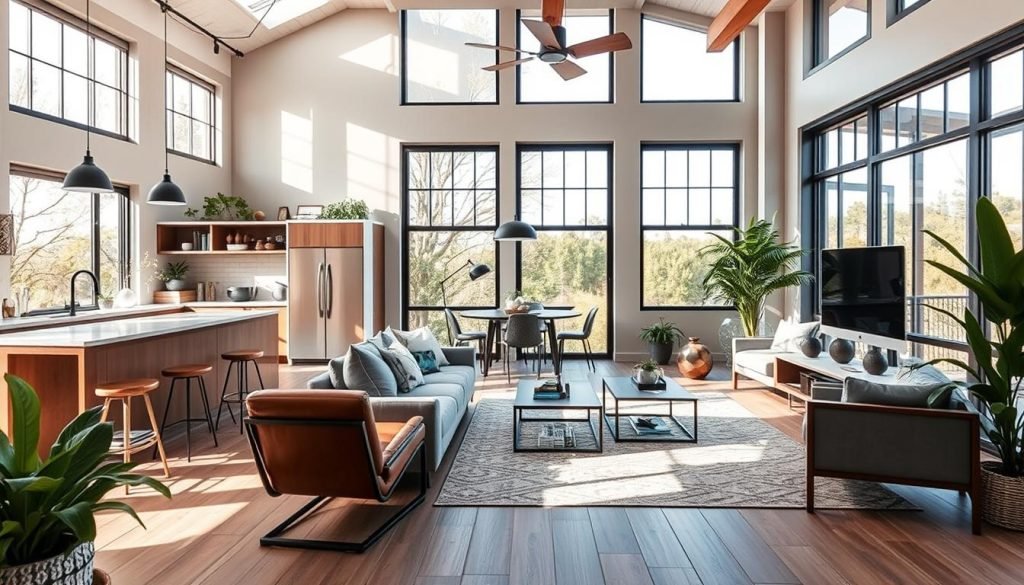
Physical Zoning with Furniture and Partitions
In an open-concept living space, physical zoning plays a crucial role in defining distinct areas and creating a cohesive flow. By strategically positioning furniture, screens, shelves, and curtains, you can establish visual and physical barriers that segue seamlessly between different zones.
Using Screens, Shelves, and Curtains
Portable screens, shelving units, and curtains are versatile tools for creating physical divisions within an open floor plan. Screens can be used to delineate the living room from the dining area, while shelves can act as a subtle boundary between the kitchen and the living space. Curtains, on the other hand, can be employed to create a cozy nook or to separate a home office from the rest of the open layout.
Creating Pause Points with Furniture
Thoughtful furniture placement can also help define zones and guide the flow of the space. Positioning bookcases, cabinets, or armchairs can create “pause points” that encourage movement and exploration. These strategic placements can subtly direct the eye and lead guests through the different areas of the open layout.
| Physical Zoning Element | Purpose |
|---|---|
| Screens | Delineate distinct areas, create visual barriers |
| Shelves | Establish subtle boundaries between zones |
| Curtains | Provide privacy, define cozy nooks |
| Furniture Placement | Guide the flow of the space, create pause points |
“The strategic use of screens, shelves, and furniture can transform an open layout into a harmonious, well-defined living space.”
Decorative Zoning with Colors and Textures
Beyond the physical delineation of spaces, the strategic use of colors and textures can also be a powerful tool in creating a cohesive yet zoned open-concept layout. By carefully selecting hues, patterns, and materials, you can define distinct areas within your kitchen-living area, guiding the eye and establishing a sense of visual harmony.
Defining Spaces with Rugs and Lighting
Rugs, in particular, can be an effective way to demarcate different zones. Placing a large, statement rug in the living area, for instance, can instantly create a cozy and intimate seating arrangement, while a smaller, more textural rug can anchor a distinct dining space. Furthermore, thoughtful lighting can further accentuate these zones, setting the mood and highlighting the unique character of each functional area.
| Decorative Element | Purpose | Examples |
|---|---|---|
| Colors | Establish visual contrast and guide the eye | Warm tones for a cozy living area, cool hues for a refreshing kitchen |
| Textures | Add depth and visual interest to the space | Plush velvet furnishings, natural stone countertops, woven rugs |
| Lighting | Highlight and accentuate different zones | Pendant lights over a dining table, recessed lighting for the kitchen, floor lamps in the living area |
By thoughtfully incorporating decorative zoning techniques, you can create a harmonious and visually compelling open-concept space that seamlessly blends form and function.
Coordinating Flooring and Materials
When designing an open concept living area, the choice of flooring and coordinating materials can significantly impact the overall aesthetic and functionality of the space. Extending the same open concept flooring throughout the integrated kitchen, dining, and living zones can help unify the layout and emphasize its proportions.
It’s crucial to select a flooring solution that can withstand the high traffic and potential spills often encountered in an open plan design. Durable, easy-to-maintain materials like luxury vinyl planks, engineered hardwood, or large-format porcelain tiles can be excellent options to consider.
Coordinating the flooring and materials used throughout the open concept layout can further enhance the cohesive visual appeal. Matching the flooring tone and texture with complementary countertops, cabinetry, and other furnishings can create a seamless, harmonious atmosphere that invites relaxation and social interaction.
| Flooring Material | Advantages | Coordinating Considerations |
|---|---|---|
| Luxury Vinyl Planks (LVP) |
|
|
| Engineered Hardwood |
|
|
| Large-Format Porcelain Tiles |
|
|
By carefully coordinating the flooring and materials throughout an open concept layout, you can create a cohesive and visually appealing living environment that seamlessly transitions between the different functional zones.
Open concept kitchen living room design
When designing an open concept kitchen living room, maximizing natural light is a crucial element to create a bright, airy, and inviting space. Strategically placed windows, skylights, and reflective surfaces can enhance the influx of natural illumination, transforming the open plan area into a warm and welcoming haven.
Maximizing Natural Light
To make the most of natural light in your open concept kitchen living room, consider the following strategies:
- Position windows and skylights to capture the sun’s rays throughout the day, ensuring a constant flow of natural illumination.
- Incorporate glass walls, sliding doors, or large windows to blur the boundaries between indoor and outdoor spaces, further amplifying the sense of openness.
- Use light-colored and glossy finishes on walls, floors, and countertops to reflect and distribute the natural light evenly throughout the space.
Integrating Appliances and Fittings
Seamlessly integrating kitchen appliances and fittings into the overall design is essential for maintaining a clean, uninterrupted visual flow throughout the open concept kitchen living room. Consider the following approaches:
- Opt for built-in or semi-integrated appliances that blend seamlessly with the cabinetry and countertops, creating a cohesive and streamlined appearance.
- Conceal necessary elements, such as range hoods or electrical outlets, behind discreet panels or custom-designed features to preserve the visual harmony.
- Utilize open shelving, glass-fronted cabinets, or minimalist hardware to showcase your kitchen essentials while maintaining a clean, clutter-free aesthetic.
By strategically maximizing natural light and integrating appliances and fittings, you can create a visually stunning and highly functional open concept kitchen living room that invites you to effortlessly transition between culinary and living spaces.
“The key to a successful open concept kitchen living room design is to strike a balance between form and function, seamlessly blending the two spaces into a harmonious whole.”
Styling Tips for Open Plan Spaces
When furnishing and styling an open plan space, it’s crucial to maintain a sense of visual flow by keeping the design simple and cohesive. This can be achieved by selecting furniture and decor with clean lines and light, bright colors that complement the airy, open plan aesthetic.
Beyond choosing simple elements, homeowners can also successfully blend traditional and contemporary styles to create a personalized and harmonious open plan living area. This fusion of design influences allows you to incorporate familiar, cozy elements while embracing the modern, free-flowing nature of the space.
Choosing Simple Elements
- Opt for furniture with clean, minimalist silhouettes that don’t visually clutter the space
- Select light-colored, natural materials like wood, linen, and marble to enhance the open, airy feel
- Use pops of color and texture through accents like throw pillows, artwork, and greenery
Incorporating Traditional and Contemporary Styles
- Mix vintage or antique pieces with modern, streamlined furnishings to create visual interest
- Balance classic elements like exposed beams or brick walls with sleek, minimalist decor
- Incorporate both rustic and industrial design cues to achieve a harmonious, eclectic aesthetic
By thoughtfully blending simple elements and traditional and contemporary styles, you can curate an open plan living space that is both visually appealing and reflective of your personal design preferences.
Challenges of Open Plan Living
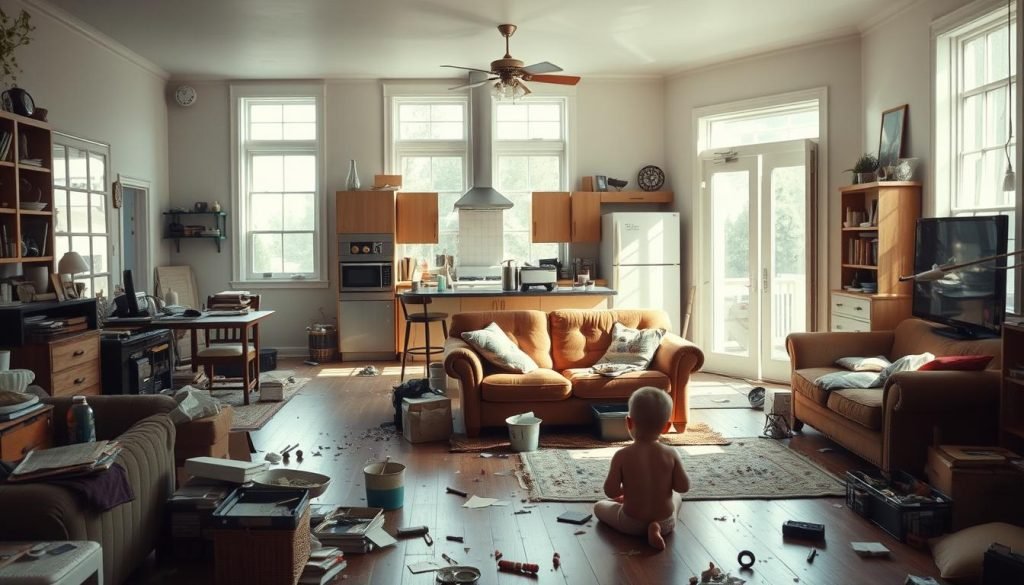
While the open concept design has gained immense popularity for its ability to create a sense of spaciousness and facilitate seamless transitions between living areas, it also presents some unique challenges that homeowners must address. The primary concerns revolve around sound containment and privacy.
Sound Containment: Controlling the Noise Flow
The lack of physical barriers in an open floor plan can allow sounds to travel freely, creating a potential for disruption and distraction. Conversations, appliances, and even television volumes can easily carry over from one zone to another, compromising the desired tranquility. To mitigate this issue, homeowners may need to explore strategic placement of furniture, such as bookcases or screens, to help absorb and redirect sound waves. The strategic use of sound-dampening materials, like area rugs, curtains, and acoustic panels, can also contribute to a more harmonious environment.
Maintaining Privacy in Open Spaces
The open concept design can pose challenges when it comes to preserving personal privacy. Without clearly defined boundaries, activities and interactions in one area may be visible or audible to the rest of the open space. Homeowners can address this by incorporating zoning techniques, such as the strategic placement of furniture, partitions, or even semi-transparent screens, to create a sense of separation and intimacy within the larger open layout.
By addressing these open plan challenges through thoughtful design choices and the implementation of sound-containment and privacy-enhancing strategies, homeowners can strike a balance between the desirable open feel and the need for functionality and comfort in their living spaces.
Planning Lighting and Focal Points
In an open plan layout, thoughtful planning of the lighting is crucial to ensure each functional zone is appropriately illuminated. This may involve using a combination of task lighting, ambient lighting, and accent lighting to create a cohesive and balanced scheme.
Establishing focal points, such as a fireplace or a striking piece of artwork, can also help anchor the open plan space and provide a visual organizing principle. These focal points draw the eye and create a sense of purpose within the free-flowing layout.
Optimizing Open Plan Lighting
- Utilize a mix of task lighting, such as pendant lights or recessed spotlights, to illuminate specific areas for cooking, reading, or work.
- Incorporate ambient lighting, like floor lamps or cove lighting, to create a warm and inviting atmosphere throughout the space.
- Employ accent lighting, such as wall sconces or track lighting, to highlight architectural features or decorative elements and add visual interest.
Establishing Focal Points
Focal points serve as anchors in an open plan layout, drawing the eye and providing a sense of order. Consider incorporating:
- A statement fireplace or a large, eye-catching piece of artwork
- A grand central island or a built-in shelving unit in the kitchen-living area
- A dramatic light fixture, such as a chandelier or a contemporary pendant, to create a visual centerpiece
| Lighting Type | Purpose | Example Placement |
|---|---|---|
| Task Lighting | Illuminate specific work areas | Pendant lights over a kitchen island, recessed spotlights over a reading nook |
| Ambient Lighting | Create a warm, inviting atmosphere | Floor lamps in seating areas, cove lighting along walls |
| Accent Lighting | Highlight architectural features or decorative elements | Wall sconces to accentuate artwork, track lighting to showcase shelves or display cabinets |
“Thoughtful lighting design is essential in an open plan layout, as it helps create a cohesive and visually appealing space.”
Conclusion
The open concept kitchen living room design has become a prevalent trend, offering Australian homeowners the benefits of light-filled, flexible, and socially-engaging living spaces. However, achieving a successful open plan layout requires careful planning and the strategic use of zoning techniques, both physical and decorative, to define the different functional areas while maintaining a cohesive and harmonious aesthetic.
By maximizing natural light, seamlessly integrating appliances, and incorporating both traditional and contemporary styling elements, you can create the perfect open kitchen-living area that suits your lifestyle and needs. This design approach not only enhances the visual appeal of your home but also fosters a sense of openness and connectivity, making it an ideal choice for modern and casual living.
As you embark on your open concept kitchen living room design journey, remember to balance the practical considerations with your personal style preferences, ensuring that the final result is a harmonious and functional space that truly reflects your unique vision.